




SOCIAL MEDIA
News&Updates

International Women’s Day 2016 ”Women and Sustainable Development Goals”
Agenda International Women’s Day 2016 ”Women and Sustainable Development Goals” Friday 4 March 2016...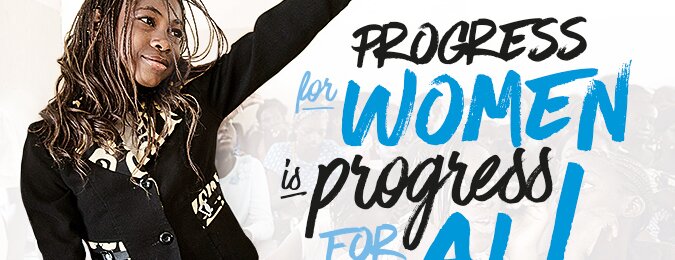
Asia-Pacific Commemoration of International Women’s Day 2016: Interactive Dialogue on Gender Equality and SDGs
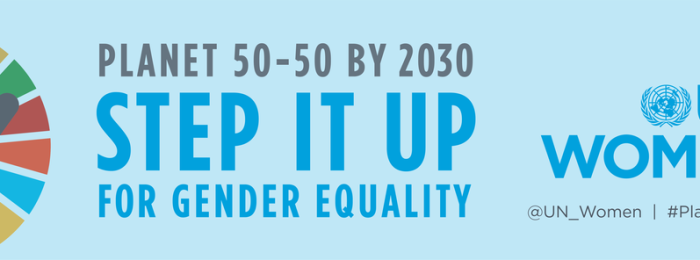
The 2016 theme for International Women’s Day is “Planet 50-50 by 2030: Step It...UN Assistant Secretary-General for Political Affairs Miroslav Jenča concludes visit to Thailand
Bangkok, Thailand, 25 February 2016 UN Assistant Secretary-General for Political Affairs Miroslav Jenca concluded a two-day visit...OUR PRIORITIES
Post – 2015
MY World is a global survey for citizens led by the United Nations and partners. It aims to capture people’s voices, priorities and views, so that global leaders can be informed as…
Climate Change
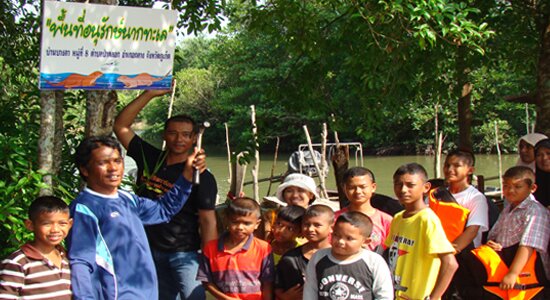
The Joint Team on Climate Change acknowledges UN’s comparative advantage individually and collectively in supporting a climate change programme…
HIV/AIDS
The UN system is working to address challenges posed by the AIDS epidemic by focusing on achieving results with respect to intensifying prevention…
Strategic information
The Joint Team on Strategic Information aims to contribute to the development of unified national statistics and information systems that are able to inform policy…
Migration
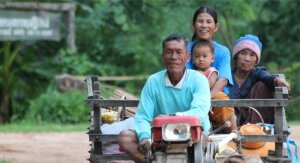
The UN system is working with Thailand on migration issues and address challenges in managing the flow of migrants and to regularize and provide increased…

Social protection
The Joint Team on Social Protection focuses on enhancing Thailand’s capacity to establish a welfare society by 2017 through support in policy development, ..
We at the website un.or.th are extremely proud to announce the launch of a new project that results from the valuable collaboration between United Borrowers KMI Family Network, a non-profit organization registered in the United States, and All Compare Co., LTD, a leading company in Thailand specialized in comparing financial services and products. This collaboration reflects our shared commitment to enhancing financial knowledge and promoting informed financial decision-making among the people of Thailand.
By combining the expertise of both organizations, we plan to review and analyze Thai financial products in detail, including bank accounts, investments, insurance, and more. Our team of financial experts will provide information, advice, and analysis to help you understand and choose the best financial services for your needs.
We believe that with the right knowledge and information, everyone can make effective financial decisions that lead to long-term financial stability. This project will not only compile the necessary data and tools to help everyone in Thailand make confident financial decisions but also hopes to receive support and participation from all sectors of society to together build a financially stable and sustainable society.
Through this collaboration, we also aim to share quality financial information, knowledge, and experiences with everyone and are confident that with cooperation and a good understanding of finance, we can create a better financial future for everyone in Thailand.
New Review:
- CIMB Personal Loan (สินเชื่อส่วนบุคคล cimb)
